This is the question I get more than any other. My honest answer: most of Mexico's tourist and expat areas are reasonably safe if you use the same common sense you would in a big U.S. city, but Mexico is a large country and safety varies a lot by state.
Below is what the U.S. government says, what I have seen living in the Riviera Maya since 2022, and the habits that keep you out of trouble.
Key takeaways
- Safety in Mexico varies by state. Yucatán and Campeche are rated the safest level by the U.S. State Department; a handful of states are rated "do not travel."
- Quintana Roo, home to Cancún, Playa del Carmen and Tulum, is rated Level 2, "exercise increased caution."
- Most violence is between criminal groups. Tourists and residents are rarely the targets, but you can be in the wrong place at the wrong time.
- The risks most visitors actually face are petty theft, scams, taxi overcharging, drink spiking and traffic.
- For Americans in Quintana Roo, drowning has caused six times as many deaths as homicide. Check the beach flag and don't drive at night.
The short answer
Millions of Americans visit Mexico every year, more than a million live here by most estimates, and the great majority never have a problem. That does not mean there is no risk. It means the risk is concentrated in specific places and situations, and you can avoid most of it.
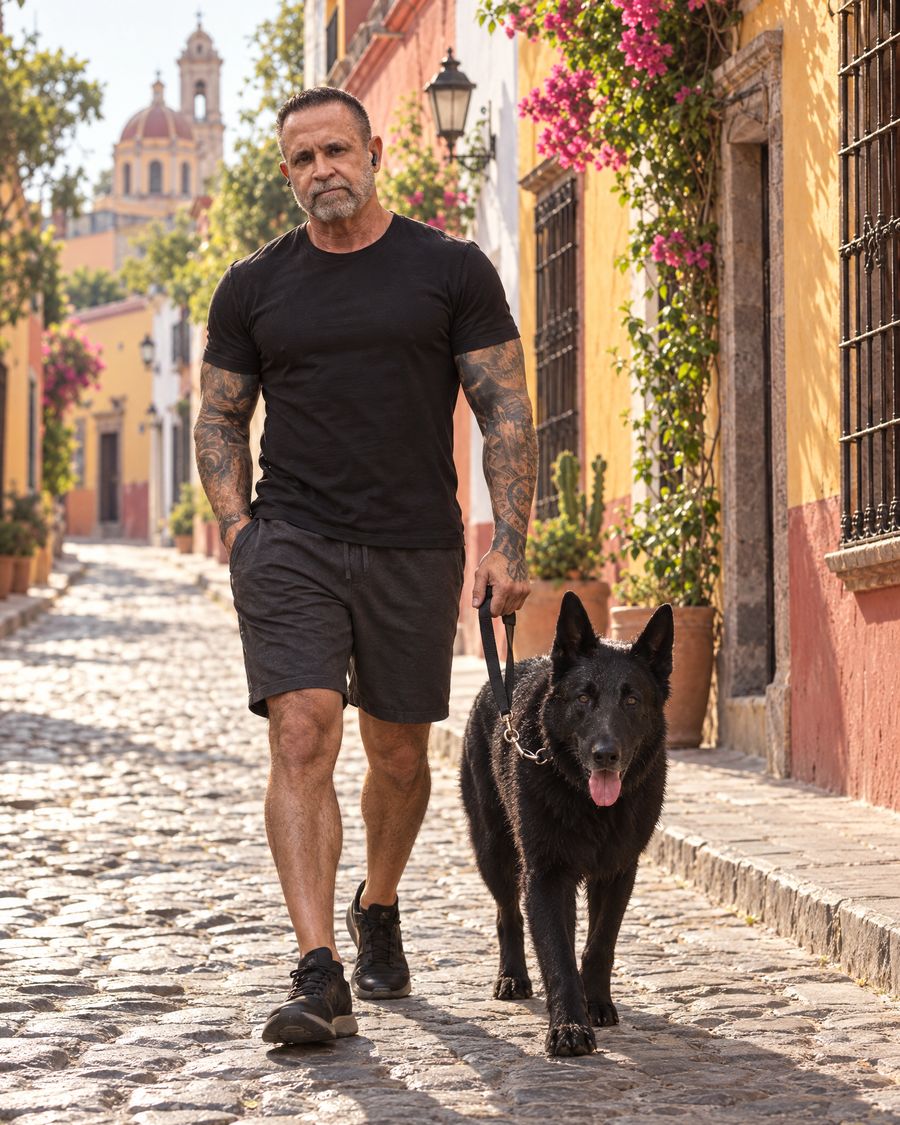
I walk my dog on the beach, go out to dinner and drive the highway between Cancún and Tulum regularly. I also don't buy drugs, I don't flash cash, and I stay out of areas locals tell me to avoid. Those choices matter more than anything else on this page.
What the U.S. travel advisory says, state by state
The U.S. State Department rates each Mexican state on a scale of 1 (exercise normal precautions) to 4 (do not travel). Here is how the main destinations were rated when we checked in November 2026. Ratings change, so check the current advisory before you travel.
| Level | Meaning | States and destinations |
|---|---|---|
| 1 | Normal precautions | Yucatán (Mérida, Valladolid, Chichén Itzá), Campeche |
| 2 | Increased caution | Quintana Roo (Cancún, Playa del Carmen, Tulum, Cozumel), Baja California Sur (Los Cabos, La Paz), Mexico City, Oaxaca, Nayarit, Querétaro, Puebla, Nuevo León and others |
| 3 | Reconsider travel | Jalisco (including Guadalajara and Puerto Vallarta), Guanajuato (San Miguel de Allende has no added restrictions), Baja California, Chihuahua, Sonora, Morelos, Chiapas |
| 4 | Do not travel | Colima, Guerrero, Michoacán, Sinaloa, Tamaulipas, Zacatecas |
Keep the scale in perspective. A state-level rating also covers a large area: many Level 3 states have tourist areas where U.S. government employees can travel freely.
The numbers, not the headlines
Mexico's national homicide rate was about 25.8 per 100,000 people in 2024, according to INEGI, Mexico's statistics agency. The U.S. rate was about 5. But the national number hides how concentrated the violence is.
| Place | Homicides per 100,000 (2024) |
|---|---|
| Colima | 123 |
| Guanajuato | 63 |
| Mexico, national | 25.8 |
| United States, national | About 5 |
| Yucatán | About 2 |
Yucatán, home to Mérida, has a lower homicide rate than most U.S. states. Where you go in Mexico matters far more than the country's name.
For Americans in the Riviera Maya, the ocean is a bigger danger than crime. U.S. State Department records of Americans who died in Quintana Roo (2019 to 2021 and the first half of 2023) show 30 drownings, 9 road deaths and 5 homicides. Nationwide, about 47 Americans a year die on Mexican roads, close to the number murdered. That's why the two habits I push hardest are respecting the water and not driving at night. Read my guide to driving in Mexico.
Is Cancún, Playa del Carmen or Tulum safe?
This is the area I know best. Cancún's Hotel Zone, Playa del Carmen's center and Tulum's beach area are heavily policed and full of visitors. The advisory asks people to be extra careful after dark and to stay in well-lit, busy areas, and that is good advice.
Violent incidents here, when they happen, are usually tied to the drug trade around nightlife. Tulum has seen more of this in recent years. If you stay out of that world, your risks look a lot like any busy beach town: theft from cars and unattended bags, card skimming, scams and overpriced taxis.
For residents, neighborhoods matter. Gated communities and well-lit central neighborhoods are popular with expats. Ask people who live there, not just the person renting you the place.
The real risks for visitors and expats
- Petty theft: phones, bags left on the beach, and items visible in parked cars.
- Scams: fake rental listings, rigged ATMs, and short-changing at gas stations. Watch the pump reset to zero and count your change.
- Taxis: agree on the price before you get in, or use an app where it is available. Airport taxis are priced by zone.
- Drink spiking: keep your drink in sight in nightlife areas.
- Police stops: stay calm and polite. Ask for the written ticket; don't hand over cash on the roadside.
- Roads: topes (speed bumps), animals, and poor lighting make night driving outside cities riskier than crime.
- Nature: strong currents, sun and heat, and hurricane season from June through November.
Habits that keep you safe
- Don't buy or use drugs. This is the single biggest factor.
- Use ATMs inside banks or malls, during the day.
- Carry one card and a little cash; leave the rest locked up.
- Drive on toll highways (cuotas) and avoid long drives at night.
- Learn some Spanish. People treat you differently when you try.
- Join local WhatsApp and Facebook groups to hear what is happening nearby.
- Enroll in the State Department's STEP program so the embassy can reach you.
- Save 911 for emergencies. On federal highways, the Green Angels roadside help line is 078.
Is it safe to live in Mexico?
Living here is different from visiting. You learn which streets to skip, you get to know your neighbors, and you stop looking like a tourist. Most expats I know feel as safe here as they did at home, and many feel safer in their daily lives. The trade-off is that you rely more on yourself and your community and less on police and courts.
If you are thinking about a move, rent in a neighborhood first, talk to people who live there, and read my complete guide to moving to Mexico.
Questions people ask
Is Mexico safe for American tourists?
Most tourist areas in Mexico are reasonably safe if you use big-city common sense. Safety varies by state: the U.S. State Department rates Yucatán and Campeche at its safest level, popular areas such as Quintana Roo, Baja California Sur and Mexico City at Level 2, and six states as do not travel.
Is Cancún safe right now?
Cancún is in Quintana Roo, which the U.S. State Department rates Level 2, exercise increased caution. The Hotel Zone and main tourist areas are heavily policed. The advice is to take extra care after dark and stay in well-lit, busy areas. Check the current advisory before traveling.
What is the safest state in Mexico?
Yucatán, home to Mérida, is generally considered the safest state in Mexico and is rated Level 1, exercise normal precautions, by the U.S. State Department, along with neighboring Campeche.
Which parts of Mexico should Americans avoid?
The U.S. State Department lists Colima, Guerrero, Michoacán, Sinaloa, Tamaulipas and Zacatecas as do not travel. Check the current advisory, since ratings change.
Is it safe to drive in Mexico?
Driving is generally fine on toll highways during the day. Avoid driving at night outside cities, watch for speed bumps and animals, carry Mexican car insurance, and agree to written tickets rather than paying cash at police stops.
Is Mexico safe for women traveling alone?
Many women travel and live alone in Mexico without problems. Use the same precautions as in any big city: watch your drink, use trusted transport at night, and share your location with someone you trust.

About the author
Sean Gillespie is a U.S. Navy veteran and entrepreneur who moved from Ohio to the Riviera Maya in 2022. He helps people move to Mexico, find investments and avoid the expensive mistakes. He is not a lawyer, accountant or real estate agent, and refers that work to licensed professionals. Read his story.
This guide is general information, not legal, tax or financial advice. Rules and amounts change; check official sources before acting.